
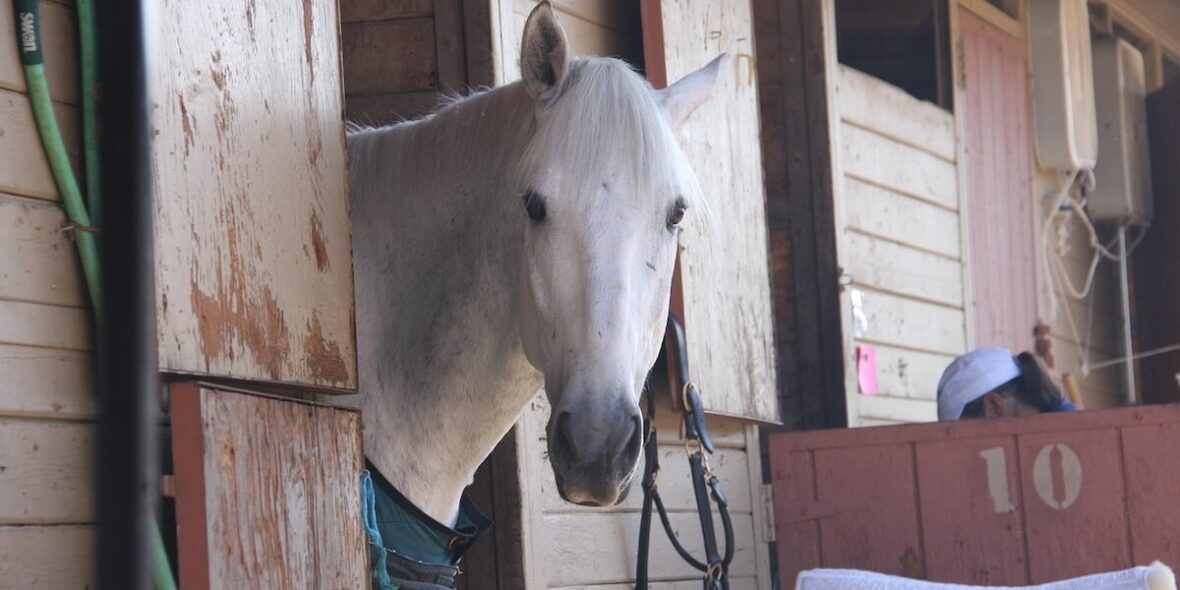
Mistakes When Buying a Horse and How to Avoid Them
The most common mistake when buying a horse is not defining your goals. Always know whether you want a horse for competition, leisure, or family use.
Never skip the vet check. A pre-purchase exam by an independent vet can save you from costly health problems.
Don’t fall for looks alone. A calm temperament and the right training level are more important than beauty.
Impulse buying is risky. Take your time, ride the horse more than once, and always use a written contract.
The right horse should match your skill level and budget, including hidden costs like boarding, feed, and insurance.
1. Not having a clear purpose for buying the horse
Many people start looking for a horse without first defining their goals. Is it for competition, leisure riding, or a family horse?
Tip: Write down your goals and needs before starting your search.
2. Falling in love with looks
A beautiful horse is not always the right horse for you.
Tip: Prioritize temperament, training level, and health over appearance.
3. Skipping the vet check
Discovering health issues after the purchase can be very costly.
Tip: Hire an independent veterinarian for a full pre-purchase examination.
4. Not riding the horse enough
A quick ride does not tell the full story about a horse’s behavior.
Tip: Ride the horse multiple times and in different environments if possible.
5. Not bringing an experienced person
Another set of eyes can spot issues you might miss.
Tip: Bring your trainer or an experienced horse friend to the viewing.
6. Forgetting the hidden costs
The purchase price is just the beginning.
Tip: Create a budget that includes boarding, feed, insurance, tack, and vet bills.
7. Not having a proper written contract
Verbal agreements are not enough in case of dispute.
Tip: Use a written contract with clear terms, preferably reviewed by a legal expert.
8. Buying a horse that does not match your skill level
A horse that is too challenging can quickly become a bad experience.
Tip: Choose a horse that suits your current riding level, not just your future ambitions.
9. Buying a horse for your child without a long-term plan
Children grow and their interests change.
Tip: Think about what will happen to the horse if your child stops riding.
10. Making a rushed decision
Impulse purchases are rarely the right choice.
Tip: Take your time. A well-thought-out purchase leads to better results for both you and the horse.
Conclusion
Avoiding these common mistakes makes buying a horse safer, smarter, and more rewarding for both you and your new partner.







Frequently Asked Questions – Mistakes to Avoid When Buying a Horse
1. Why is it important to define your goals before buying a horse?
Without a clear purpose, you risk choosing a horse that doesn’t suit your needs. Whether for leisure, competition, or a child’s first horse, knowing your goals helps narrow your search.
2. Should I buy a horse based on looks?
No, looks can be misleading. It’s more important to consider the horse’s temperament, training, and health. A pretty horse that doesn’t match your skill level can lead to problems.
3. Is a pre-purchase vet check really necessary?
Yes, skipping the vet check can result in unexpected and costly health issues. Always hire an independent vet for a full examination before buying any horse.
4. What are hidden costs when owning a horse?
Beyond the purchase price, you need to budget for boarding, feed, farrier, tack, vet bills, insurance, and training. These ongoing costs often exceed the initial price.
5. Why should I avoid making a rushed decision?
Impulse buys often lead to regret. Take your time, ride the horse multiple times, and consult with a trainer or experienced horse person before committing to a purchase.