Bitless vs. Bitted Riding: A Global Guide to Choosing What's Right for Your Horse
The choice between riding with a bit (bitted) or without a bit (bitless) is one of the most debated topics in the equestrian world.
The choice between riding with a bit (bitted) or without a bit (bitless) is one of the most debated topics in the equestrian world. The discussion centers heavily on horse welfare, communication, and tradition. Globally, more riders are exploring bitless options as part of a move towards gentler, more ethical horsemanship practices. This guide aims to provide a balanced overview of both methods, helping you understand the principles and make the best, informed choice for you and your horse.
Understanding the Bit
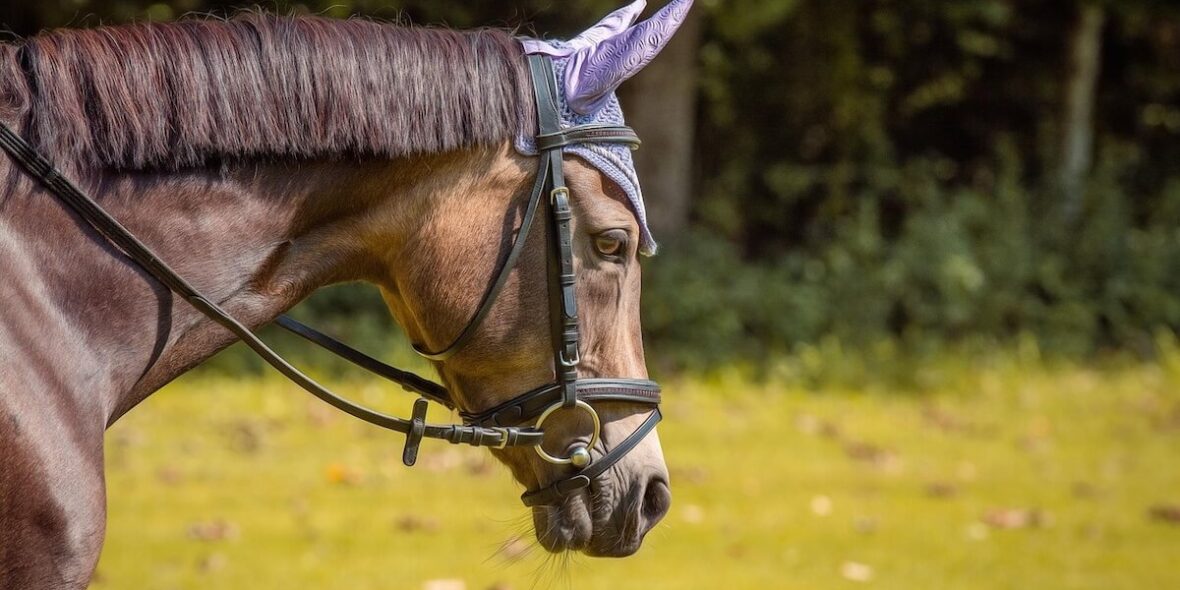
A bit is a piece of equipment, usually metal, that sits in the horse's mouth, resting on the sensitive bars of the jaw (the gum area where there are no teeth) and utilizing pressure on the tongue and lips.
A bit is a piece of equipment, usually metal, that sits in the horse's mouth, resting on the sensitive bars of the jaw (the gum area where there are no teeth) and utilizing pressure on the tongue and lips.
Key Considerations for Bitted Riding:
Tradition and Competition: Bits are the standard in most competitive equestrian disciplines worldwide, governed by specific rulebooks regarding type and use. Communication: Many riders feel bits offer precise, subtle communication when used correctly by educated hands. Welfare Concerns: When used harshly or incorrectly, bits can cause significant pain, nerve damage, mouth injuries, and behavioral resistance. Proper fitting and gentle hands are non-negotiable.
Exploring Bitless Riding
Bitless options, such as sidepulls, mechanical hackamores, or bosals, rely on pressure applied to the nose, cheeks, and poll (the top of the head) rather than inside the mouth.
Bitless options, such as sidepulls, mechanical hackamores, or bosals, rely on pressure applied to the nose, cheeks, and poll (the top of the head) rather than inside the mouth.
Key Considerations for Bitless Riding:
Welfare and Comfort: For horses with mouth sensitivities, dental issues, or those who simply resist the presence of metal in their mouth, bitless can offer a more comfortable experience. Focus on Body Aids: Riding bitless often encourages the rider to refine their seat, leg aids, and overall body language, leading to a more balanced and subtle riding style. Communication Style: The aids are different and require a transition period. Pressure points are different, and some experienced riders argue that certain levels of precision required for advanced movements are harder to achieve bitless.
5 Factors to Consider When Choosing
Making the right choice is a personal decision that depends heavily on the individual horse and rider partnership.
Making the right choice is a personal decision that depends heavily on the individual horse and rider partnership.
1. The Horse's Individual Needs
Does your horse show signs of mouth discomfort, despite regular dental care? Does your horse accept the bit calmly? A horse's conformation, sensitivity, and past experiences all play a major role.
2. Your Riding Discipline and Goals
If you aim to compete internationally in FEI-governed events like dressage or show jumping, a bit is currently mandatory. For trail riding, pleasure riding, or natural horsemanship disciplines, bitless is widely accepted.
3. Your Skill Level and Hands
A bitless bridle can still be harsh if used roughly (e.g., a severe mechanical hackamore). Conversely, a mild snaffle can be harsh in rough, uneducated hands. Your ability to ride with a soft, independent seat and gentle hands is paramount, regardless of the equipment.
4. The Transition Period
If you decide to switch, plan for a dedicated transition period. Your horse needs time to understand the new pressure points, and you need time to learn how to use the new equipment effectively.
5. Professional Guidance
Consult with trainers or instructors experienced in both bitted and bitless methods. A professional eye can help assess the fit of any equipment and guide you through training challenges safely.
Summary: A Horse-Centered Choice
Ultimately, the best choice is the one that prioritizes your horse's comfort, well-being, and clear communication between horse and rider. Whether you choose to ride bitless or bitted, the focus should always be on ethical horsemanship and continuous learning.