How to Clean and Condition Horse Leather Tack
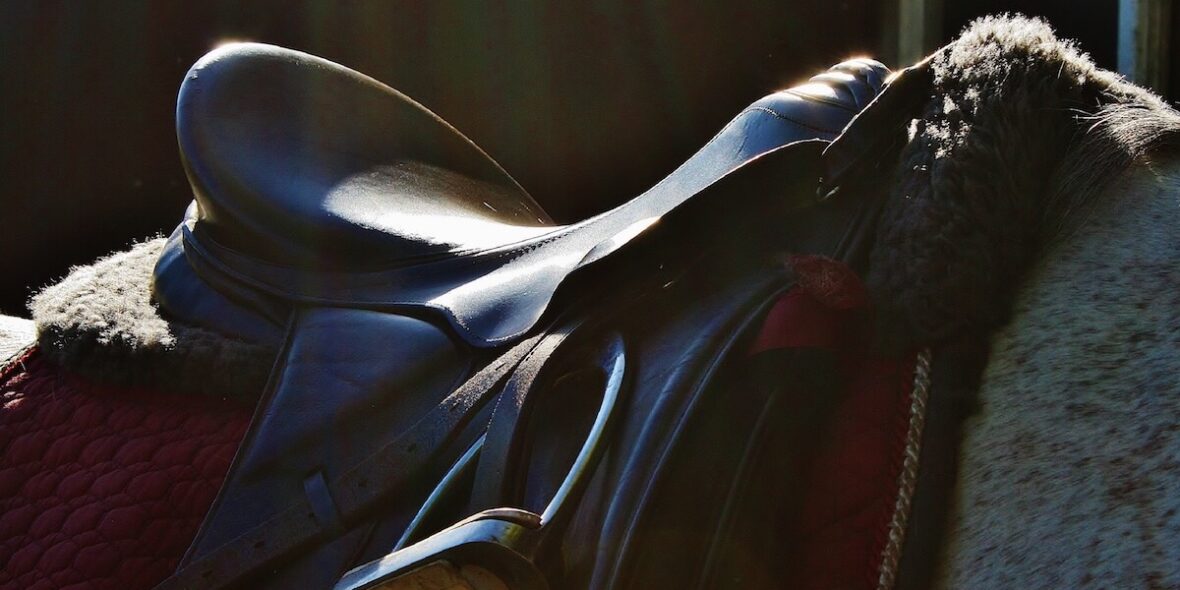
Proper maintenance of your horse leather tack is essential not only for preserving the aesthetic beauty of your saddles and bridles but, more importantly, for ensuring rider and horse safety. High-quality leather can last for decades when properly cared for, whereas neglected leather can weaken, snap under pressure, and cause dangerous accidents.
Quick Overview: Essential Leather Care Steps
If you are looking for a quick summary of how to properly maintain equestrian leather tack, here is the core routine recommended by master saddlers:
- Frequency: Perform a light wipe-down after every ride; deep clean and condition every 4 to 6 weeks.
- Essential Supplies: Glycerin saddle soap, warm water, high-quality leather conditioner (neatsfoot oil or balm), and soft microfiber cloths/sponges.
- Core Process: Disassemble tack, clean off surface sweat and dirt with damp sponge and soap, rinse lightly, let dry naturally away from heat, and apply a thin layer of conditioner.
- Key Rule: Never use hot water, direct sunlight, or synthetic heat sources to dry leather, as this causes irreversible cracking and fiber breakdown.
Why Regular Leather Maintenance Matters
Horse leather is a natural material containing natural moisture and fats that keep the collagen fibers flexible and strong. Over time, exposure to horse sweat, mud, dust, rain, and UV rays strips away these essential oils. Without regular conditioning, the leather becomes dry, brittle, and prone to tearing.
For equestrians buying or selling used tack on global marketplaces, maintaining clear photographic proof of well-conditioned leather significantly increases resale value and buyer trust.
Supplies Needed for Cleaning Tack
Before you begin, gather the proper tools to avoid damaging the finish or stitching of your equipment:
- Saddle Soap: Glycerin-based bar soap or liquid soap formulated specifically for equestrian leather.
- Cleaning Sponges: Soft, non-abrasive cellulose sponges.
- Microfiber Cloths: For buffing and removing excess product.
- Leather Conditioner / Balsam: A nourishing balm containing natural oils and waxes (such as beeswax or lanolin) to restore suppleness.
- Buckle Brush or Toothbrush: For reaching tight corners, stitching lines, and metal hardware.
- Warm Water: Kept in a clean bucket. Use lukewarm water only—never hot water.
Step-by-Step Cleaning and Conditioning Routine
Step 1: Complete Disassembly
Never try to clean a bridle or saddle while it is fully assembled. Unbuckle all straps, remove the bit from the bridle, detach stirrup leathers and irons from the saddle, and pull out girths. Disassembly allows you to reach trapped dirt and sweat hidden under laps, keepers, and buckles where corrosion and mold love to grow.
Step 2: Dry Brush and Surface Wipe
Use a soft, dry brush or cloth to sweep away loose dirt, dried mud, hair, and arena sand. Dragging grit across the leather while washing can scratch the surface finish and ruin the leather grain.
Step 3: Wash with Saddle Soap
- Dampen your sponge slightly with lukewarm water. It should be moist, not dripping wet.
- Work up a light, creamy lather on your glycerin soap block. Avoid soaking the leather with excess water.
- Wipe down all surfaces of the leather, paying special attention to areas that touch the horse directly (underside of saddle flaps, girth straps, browbands, and cheek pieces).
- Use a soft toothbrush to gently clear away sweat crust and grime from stitching and around metal buckles.
Step 4: Wipe Away Residue
Take a clean, damp cloth rinsed in plain water and wipe down all pieces to remove any leftover soap residue, which can otherwise attract dust and build up a sticky film.
Step 5: Natural Air Drying
Lay your tack flat or hang it in a well-ventilated room at room temperature. Crucial warning: Never place leather near radiators, heaters, or in direct scorching sunlight to speed up drying. Rapid artificial drying bakes the moisture out of the hide, resulting in permanent cracking and structural failure.
Step 6: Apply Conditioner
Once the leather is dry to the touch (still slightly cool and pliable, not bone dry):
- Take a clean cloth or sponge and apply a conservative amount of leather conditioner or balsam.
- Rub the conditioner into the leather using circular motions, working it deep into the grain and stress points (such as billet straps and stirrup leather holes).
- Less is more: Apply thin, even layers rather than one heavy glob. Leather can only absorb so much oil.
- Let the conditioner absorb for 15 to 30 minutes.
Step 7: Buff and Reassemble
Take a dry microfiber cloth and vigorously buff the leather items to remove any unabsorbed surface oils and create a polished, satin finish. Once polished, carefully reassemble your bridle, saddle, and accessories.
Maintenance Frequency Checklist
| Maintenance Task | Frequency | Target Areas |
|---|
| Quick Wipe-Down | After every ride | Bit, girth, sweat flaps, and exposed bridle parts |
| Full Deep Clean | Every 2 to 4 weeks | Entire bridle, saddle, and reins |
| Conditioning | Every 4 to 6 weeks (or as needed) | All leather components to replenish natural oils |
| Deep Oil Treatment | Twice a year (or for dry/new leather) | Stiff leather, winter storage prep |
Pro Tip: Protecting Stitching
Avoid applying heavy pure oils (like neatfoot oil or mink oil) directly onto nylon stitching threads if possible, as excessive heavy oils can rot cotton or synthetic stitching over time. Stick to balanced leather balms and glycerin soaps for routine maintenance.
Frequently Asked Questions
Can I use olive oil or vegetable oil to condition horse tack?
While traditional home remedies sometimes suggest vegetable oils, they are not recommended. Food-grade oils can turn rancid over time, attract mold, become sticky, and rot the stitching holding your tack together. Always use products specifically formulated for equestrian leather.
How do I remove white mold from my leather saddle?
White mold grows rapidly in damp tack rooms. To safely remove it, wipe the mold off outdoors using a cloth dampened with a 50/50 mixture of water and white vinegar (which kills mold spores). Clean thoroughly with saddle soap afterward, let dry, and apply a fresh coat of conditioning balm.
What is the difference between saddle soap and leather conditioner?
Saddle soap is designed to clean, strip away sweat, and lift dirt. Leather conditioner is designed to replenish lost moisture, oils, and fats to keep the leather flexible and durable. You must always clean before you condition; otherwise, you seal dirt and sweat into the pores of the hide.