How to Read Your Horse's Body Language
Understanding your horse’s body language is essential for building trust, preventing accidents, and improving performance. Horses communicate largely through posture, facial expressions, and movement. By learning to read these signals, you can better respond to your horse's needs.
Signs of a Relaxed and Happy Horse
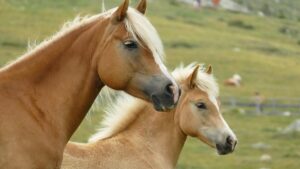
A content horse shows calm and relaxed behavior. Look for these indicators:
- Soft eyes and relaxed ears
- Even breathing, calm posture
- Lowered head and neck
- Relaxed tail
- Chewing or licking lips gently
Signs of Stress or Discomfort
Horses express discomfort, fear, or irritation through subtle or obvious signals:
- Pinned back ears or rapid ear flicking
- Tense muscles, rigid posture
- Tail swishing or clamped tail
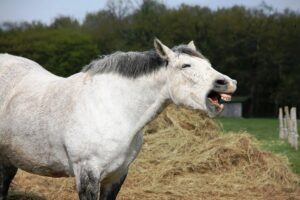
- Yawning, teeth grinding, or excessive licking
- Restlessness, pacing, or pawing
Communication During Training and Riding
Reading your horse’s signals helps you adapt your training approach and prevent misunderstandings:
- Pressure signals: A horse may move away from leg, rein, or hand pressure — adjust your aids accordingly.
- Facial expressions: Wide eyes or flared nostrils can indicate fear or excitement.
- Body posture: Shifting weight or moving backward may indicate confusion or reluctance.
- Vocalizations: Snorts, whinnies, or squeals can convey attention, alertness, or distress.
Tips for Improving Communication
- Observe your horse daily in different environments to learn their normal behavior.
- Use calm, consistent cues and body language yourself.
- Reward relaxed and cooperative behavior with gentle praise or treats.
- Work with a trainer or behaviorist if your horse displays frequent stress signals.
- Give your horse space and time to respond, especially in new or challenging situations.
Frequently Asked Questions
How can I tell if my horse is happy?
Signs of a happy horse include soft eyes, relaxed ears, lowered head, even breathing, relaxed tail, and gentle chewing or licking of the lips.
What are the main signs of stress in horses?
Stress signs include pinned ears, tense posture, tail swishing, teeth grinding, yawning, restlessness, and pawing. Recognizing these early helps prevent injury and builds trust.
How does body language help during riding?
Reading your horse’s body language allows you to adapt cues, prevent misunderstandings, and maintain safety. Signals like weight shifts, facial expressions, and tail movement indicate how your horse is feeling and responding.
Can I improve my horse’s communication skills?
Yes. Observing daily behavior, using consistent cues, rewarding cooperation, giving space, and working with a trainer can strengthen communication and trust.