How to Transport a Horse Safely: Essential Tips for Long-Distance Travel
Transporting a horse over long distances requires meticulous planning, strict safety measures, and constant monitoring to minimize stress and prevent injury. Whether you are relocating a newly purchased horse across borders or heading to a major competition, ensuring a smooth journey is vital for your horse’s physical and mental well-being.
Quick Overview: Safe Horse Transport Essentials
If you need a quick summary of core safety practices for long-distance horse hauling, keep these key rules in mind:
- Pre-Trip Check: Inspect trailer floor integrity, tire pressure, brakes, partition padding, and ventilation systems before loading.
- Hydration Stops: Offer fresh water and high-quality forage (hay) every 3 to 4 hours during long trips to prevent dehydration and colic.
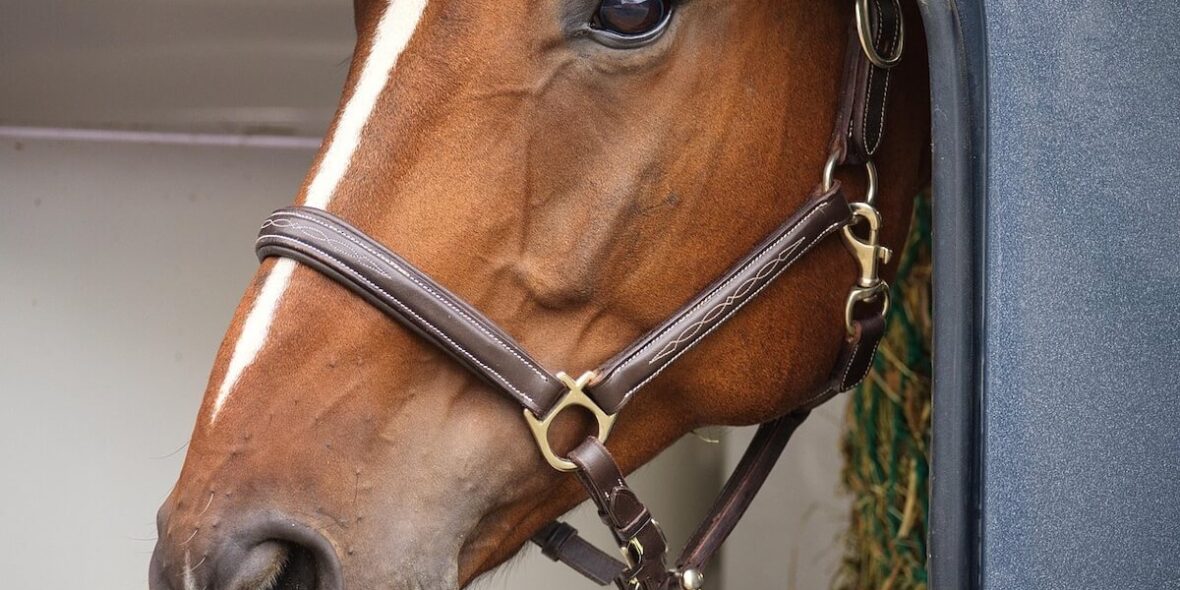
- Travel Gear: Equip the horse with a secure halter, shipping boots or bandages, and a suitable tail guard to protect against transit bumps.
- Driving Style: Maintain smooth acceleration, gradual braking, and wide turns to keep the horse balanced inside the moving trailer.
Why Long-Distance Travel is Stressful for Horses
Horses are prey animals that rely on balance and a steady footing to feel secure. Inside a moving vehicle, they constantly adjust their muscles to counteract shifts in momentum, road vibrations, and engine noise. Prolonged confinement can lead to dehydration, respiratory strain from dust, and elevated stress levels if not managed properly.
For international buyers and sellers using global equestrian platforms, ensuring a safe and transparent transport process builds immense trust and guarantees that the horse arrives in optimal condition.
Essential Preparation Checklist Before Departure
Never rush the loading process. Proper preparation reduces anxiety for both handler and horse:
- Trailer Inspection: Check floorboards for rot or weakness, test all electrical connections and lights, and ensure tires are properly inflated.
- Ventilation: Open roof vents and windows adequately to guarantee continuous airflow without creating harsh drafts directly hitting the horse’s eyes or ears.
- Documentation: Gather all necessary paperwork, including health certificates, passports, Coggins tests, and cross-border transit permits if traveling internationally.
- Feeding Routine: Avoid feeding a heavy grain meal immediately before loading. Instead, provide free-choice hay to keep the gut active and calm the horse naturally.
Step-by-Step Travel Management on the Road
Step 1: Proper Equipment and Protection
Dress your horse in well-fitted shipping boots that cover the knees, hocks, and coronary bands, paired with a durable bell boot to protect the hooves. Always use a padded tail guard to prevent rubs during backing or transit movement.
Step 2: Monitoring and Water Breaks
Plan regular stops every 3 to 4 hours. Park in a safe, quiet area and offer water. Because horses can be picky about strange-tasting water on the road, consider flavoring home water with a small amount of apple juice or mint extract days prior to travel to encourage drinking.
Step 3: Maintaining Air Quality
Dust and ammonia buildup from urine inside a closed trailer can severely damage equine respiratory health. Ensure clean, low-dust bedding (such as wood shavings or rubber mats without heavy bedding) and inspect air circulation frequently.
Travel Guidelines & Rest Schedule
| Travel Duration | Recommended Action | Key Focus |
|---|
| Every 3 – 4 Hours | Short stop, offer water & check ventilation | Hydration, stress evaluation, and temperature check |
| Every 6 – 8 Hours | Longer break, offer forage, check wraps | Gut motility, leg rest, and physical inspection |
| Overnight / 12+ Hours | Unload into a secure overnight stall | Complete rest, recovery, and deep rehydration |
Pro Tip: Driving Smoothly
The most important safety feature in any horse trailer is the driver. Anticipate traffic lights, take turns at a significantly slower speed, and avoid abrupt braking to prevent your horse from losing its balance and injuring its hindquarters or poll against the partition.
Frequently Asked Questions
Should I blanket my horse during transport?
It depends entirely on the ambient weather. Trailers often run warmer than the outside air due to body heat and engine warmth. As a general rule, if you are comfortable in a light t-shirt inside the vehicle, your horse likely does not need a heavy blanket. Overheating causes excessive sweating and rapid dehydration.
Is it better to tie a horse loosely or loosely cross-tied during transit?
Horses should always be tied with a quick-release knot (or specialized trailer tie) allowing enough slack for them to lower their heads to clear mucus and dust from their respiratory tracts, but short enough that they cannot turn around or get their legs over the partition.
How do I handle a horse that refuses to load before a long trip?
Never rush or punish a reluctant loader. Give the horse time, use calm positive reinforcement, and clear the area of distractions. For long trips, a stressed horse loader will experience heightened cortisol levels, making travel significantly more dangerous.