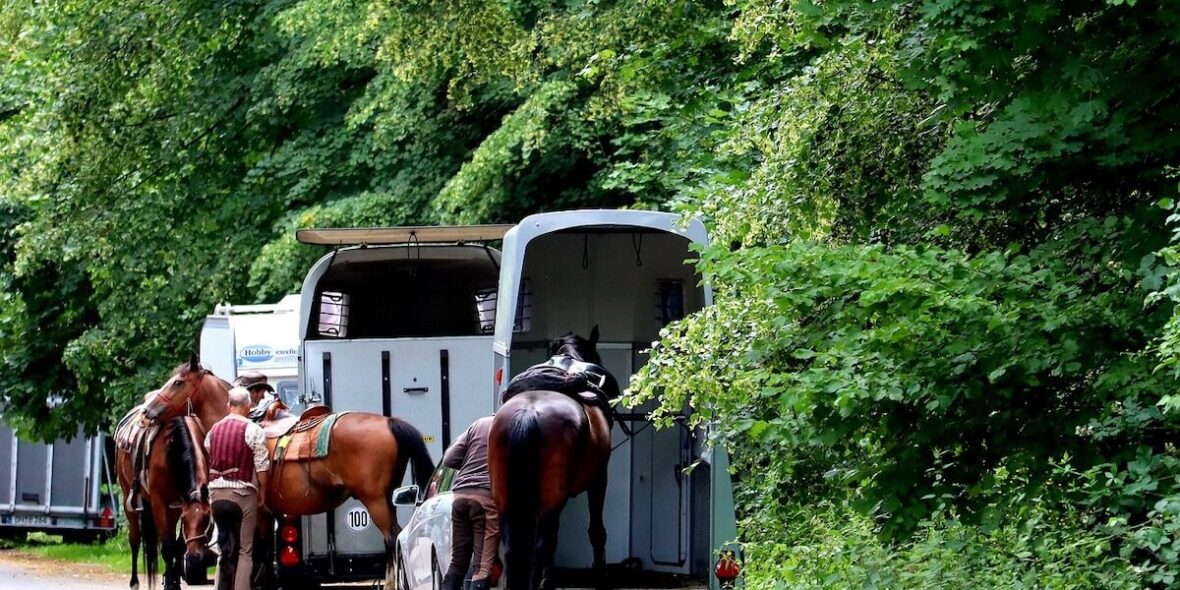
5 Common Horse Loading Problems & Expert Training Tips
Horse transport is often one of the most stressful parts of horse ownership. Whether you're heading to a competition, moving yards, or visiting the vet, a horse that refuses to load or travels poorly can turn a simple trip into a nightmare.
Solving loading issues requires patience, consistency, and a clear understanding of equine psychology. This guide from For Equestrian covers the five most common loading problems and provides actionable training tips to build your horse's confidence and ensure safe travel.
Why Do Horses Refuse to Load?
Understanding the root cause is the first step. Horses are claustrophobic by nature; entering a dark, confined space that moves is an unnatural request. Fear and a lack of trust in the handler are almost always the underlying issues.
Problem 1: The "Slamming on the Brakes" Refusal
This is perhaps the most common scenario: your horse walks right up to the ramp/door, sniffs, places one foot inside, and then abruptly stops, plants all four feet, and refuses to budge.
Expert Training Tips:
- Focus on the Approach, Not the Entry:
The goal is to make the area around the trailer a "safe zone." Spend time just walking the horse toward the ramp and immediately stepping away before they refuse.
- The "One Step" Rule:
Aim for just one step inside the trailer today. When they put one foot in, praise heavily and let them back out immediately. This builds a positive association and avoids triggering a full panic response.
- Create a Routine: Always use the same routine (approach, halt, one step in, back out). Predictability reduces anxiety.
Problem 2: The Panic Merger ("Dashing Backwards")
The horse starts to back up quickly, often pulling the handler with them, sometimes rearing or pulling away completely in a panic. This is a severe safety risk.
Expert Training Tips:
- Prioritize Safety First: Ensure you are using appropriate safety gear, potentially including a helmet and gloves. Never wrap the lead rope around your hand.
- Use the Wall/Fence Technique:
If safe and possible, use a narrow alleyway or a round pen to guide the horse toward the trailer opening, using physical barriers to gently encourage forward movement rather than pulling the head.
- Avoid Pressure, Use Release: Apply gentle, consistent pressure (e.g., a hand on the rump, asking for forward movement with a rope). The instant the horse takes a step forward or stops resisting, release the pressure completely. Timing is everything in horse training.
Problem 3: The "Fence Sitter" (Committing the Front, Refusing the Rear)
The horse puts their front end in but refuses to let their hind legs follow, often hanging off the side of the ramp or trying to turn around in the confined space.
Expert Training Tips:
- The Butt Rope is a Tool, Not a Tie-Down:
A soft lunge line used gently across the hindquarters by a second person can provide light, consistent pressure. The person should stay safely outside the ramp's kick zone. The pressure is released the moment the horse commits forward.
- Remove the Partition (If Possible): A wider, more open space can make the horse feel less trapped initially. Once they load easily into an open box, you can slowly reintroduce the partition.
Problem 4: Difficulty Staying Loaded/Waiting
The horse loads fine but immediately tries to rush back out before the ramp is up or the handler is safely away.
Expert Training Tips:
- The Waiting Game:
Load the horse, but instead of rushing to close the ramp, ask them to stand still inside for 10 seconds. Then, calmly unload them.
- Gradual Increase: Gradually increase the waiting time. 10 seconds, then 30, then 1 minute, then 5 minutes. The horse learns that just because they are inside doesn't mean the ramp immediately closes. This builds patience and trust.
Problem 5: The "Seasoned Stress-Head" (Anxiety in Transit)
The horse loads easily but sweats profusely, paws, or kicks during travel. This is a travel problem, not a loading problem.
Expert Training Tips:
- Start Small:
Practice short "trips"—literally just moving the trailer 10 feet down the driveway and back. Build up duration slowly.
- Check the Ride Quality: Is the trailer balanced? Is the suspension smooth? A rough ride can scare any horse.
- Consider Calmatives (Last Resort): For severe anxiety, consult a vet about legal, mild calming aids for travel, but prioritize behavioral training first.
Summary
Successful horse loading is a marathon, not a sprint. By breaking the process down into small, manageable steps and focusing on building trust and positive associations, you can overcome even the most stubborn loading problems.
FAQ - Horse Loading Problems & Training Tips
1. Why does my horse refuse to load into the trailer?
Horses naturally fear confined, moving spaces. Claustrophobia, fear, and lack of trust in the handler are the most common reasons a horse refuses to load.
2. What should I do if my horse slams on the brakes at the trailer?
Focus on making the area around the trailer a safe zone. Use the "one step" rule—reward the horse for just one foot inside and step back to build a positive association. Always follow a predictable routine.
3. How can I handle a horse that backs up in panic when loading?
Prioritize safety first with proper gear. Guide the horse forward using walls or fences instead of pulling. Apply gentle pressure and release immediately when the horse moves forward.
4. What can I do if my horse refuses to commit their hind legs into the trailer?
Use a soft lunge line across the hindquarters for gentle pressure. Removing the partition temporarily can make the horse feel less trapped. Release the pressure as soon as the horse moves forward.
5. How do I help a horse that gets anxious during transit?
Start with very short trips to build confidence. Check trailer balance and ride quality. For severe anxiety, consult a vet about legal calming aids, but always prioritize behavioral training first.