Top 10 Horse Welfare Principles: A Global Guide to Ethical Horsemanship
The concept of "horse welfare" is a cornerstone of modern, responsible horsemanship.
The concept of "horse welfare" is a cornerstone of modern, responsible horsemanship. It goes beyond basic care, encompassing the animal's physical health and mental well-being. Globally, equestrians are increasingly seeking information on ethical practices, the "social license to operate" in equestrian sports, and how to ensure their horses lead fulfilling lives. Adhering to key welfare principles is not just about compliance; it is about respecting our partners. This guide outlines the top 10 fundamental principles for achieving optimal horse welfare.
The Five Domains Model: A Framework for Horse Welfare
Most modern welfare standards are based on the "Five Domains Model," which provides a comprehensive framework for assessing an animal's quality of life.
Most modern welfare standards are based on the "Five Domains Model," which provides a comprehensive framework for assessing an animal's quality of life. We can break these down into practical principles:
1. Freedom from Hunger and Thirst (Nutrition)
The Principle: Provide constant access to fresh water and a diet appropriate for their age, breed, and activity level.
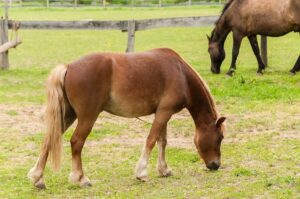
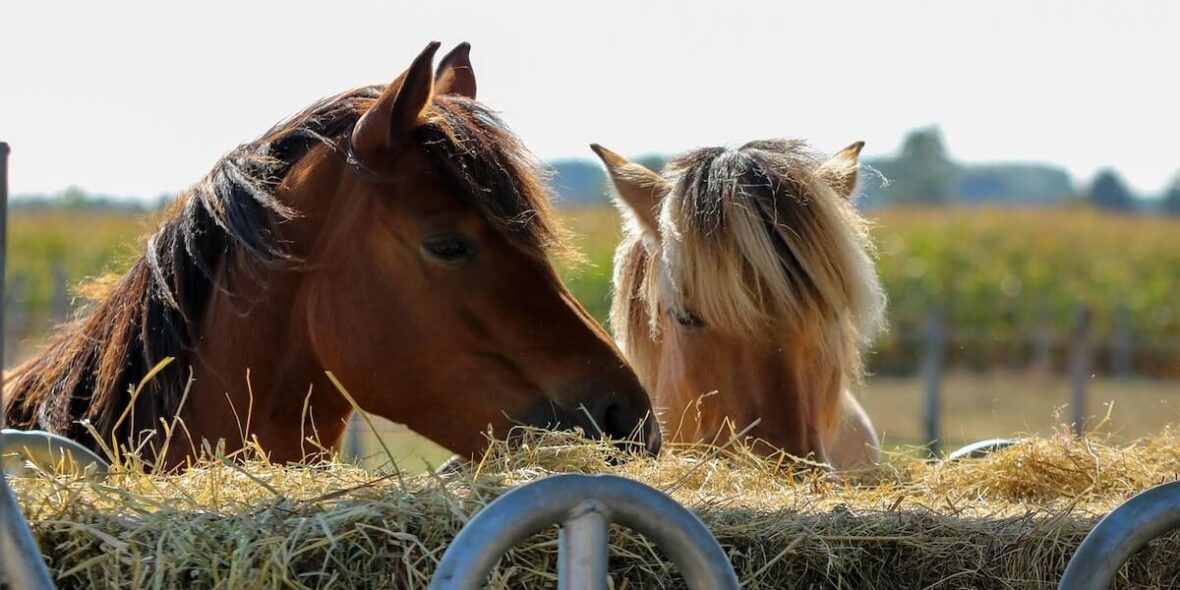
Expert Tip: Horses are designed to graze almost continuously. Ensure they have access to sufficient forage (hay or grass) to support their digestive health and prevent issues like ulcers.
2. Freedom from Discomfort (Environment)
The Principle: Provide an appropriate environment including shelter, comfortable resting areas, and sufficient space to move.
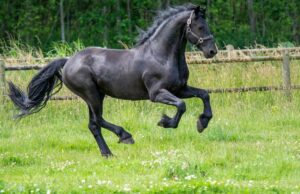
Expert Tip: Turnout is crucial. Horses need space to roam, play, and interact to maintain both physical fitness and mental health.
3. Freedom from Pain, Injury, and Disease (Health & Vet Care)
The Principle: Prevention is better than cure. Provide routine health checks, vaccinations, deworming, dental care, and prompt veterinary treatment.
Expert Tip: Learn to recognize subtle signs of pain. Horses often hide discomfort as a survival instinct.
4. Freedom to Express Normal Behavior (Social & Natural Needs)
The Principle: Allow horses the space and company to behave naturally. Horses are herd animals and social interaction is a necessity, not a luxury.
Expert Tip: Horses need interaction with other horses, whether through shared paddocks, parallel fencing, or communal stabling. Solitary confinement is detrimental to their mental well-being.
5. Freedom from Fear and Distress (Training & Handling)
The Principle: Ensure all interactions, handling, and training methods avoid mental suffering and use gentle, ethical approaches.
Expert Tip: Use positive reinforcement and clear communication. Understanding horse body language allows you to respond to stress signals before they escalate into fear. This builds trust and a safer relationship.
Beyond the Five Domains: Ethical Horsemanship
Modern horse welfare also emphasizes a balanced and ethical approach to riding and ownership.
Modern horse welfare also emphasizes a balanced and ethical approach to riding and ownership:
6. Correct Equipment Fit
Ill-fitting tack, especially saddles and bits, is a leading cause of pain and behavioral issues. Regular checks by professionals are essential.
7. Appropriate Fitness Levels
Train your horse gradually and safely to ensure they are physically ready for the work you ask of them.
8. Rider Education
The rider's skill and balance are critical for the horse's comfort and performance. Continuous learning and self-improvement are key aspects of responsible ownership.
9. Responsible Breeding and Ownership
Making informed decisions about purchasing, insurance, and long-term care ensures you can provide for your horse throughout its entire life.
10. Advocacy and Lifelong Learning
Stay informed about industry standards and advocate for ethical practices within the equestrian community.
Summary: A Commitment to Care
Optimal horse welfare is a continuous journey of learning and dedication.
Optimal horse welfare is a continuous journey of learning and dedication. By prioritizing these 10 principles, you not only ensure your horse's health and happiness but also help safeguard the future of equestrian sports by demonstrating a commitment to the highest standards of care.