When a Horse Freezes in Cross-Country – Building Confidence Instead of Resistance
It is common for horses to become tense in the cross-country phase of eventing. When a horse freezes or stops, it is usually a sign of insecurity rather than disobedience.
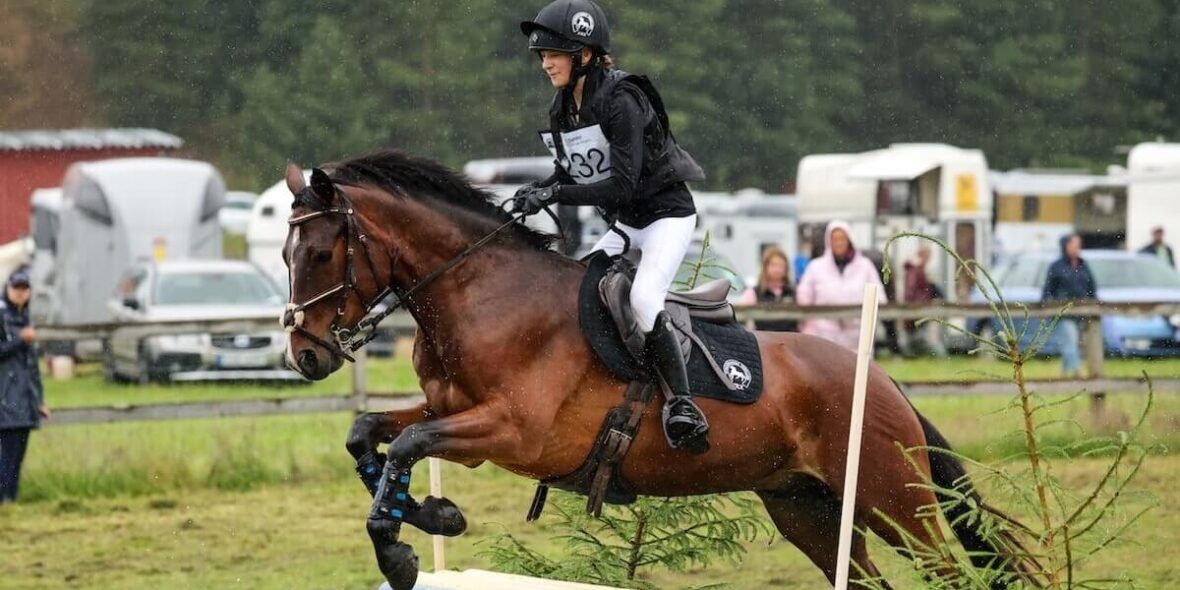
Cross-country riding demands bravery, trust, and forward momentum from both horse and rider. Solid fences, open terrain, speed, and unfamiliar environments create a unique mental challenge. When a horse suddenly locks up and refuses to go forward, it can feel frustrating — but understanding the cause is the first step toward solving the problem.
Why Horses Freeze in Cross-Country
A horse that freezes in cross-country is often mentally overwhelmed rather than unwilling.
Freezing behavior usually stems from uncertainty or loss of confidence. Common triggers include:
- New or visually challenging fences such as water, drops, narrow fences, or coffins
- Excessive tension or over-collection before the fence
- Rider hesitation or last-second changes in rhythm
- Progressing too quickly in training or competition level
When a horse becomes tense, it often retreats “into its head,” losing forward energy and trust in the task.
Forward Comes Before Perfect
In cross-country, forward rhythm and confidence are more important than perfect technique.
One of the most common mistakes riders make is trying to control too much in the final strides. Horses need permission to move forward in a natural, confident gallop. Excessive half-halts or adjustments close to the fence can increase doubt.
In training, focus on:
- Riding in a relaxed, forward gallop in light seat
- Jumping small, simple fences until the horse actively seeks them out
- Repeating the same type of fence to build familiarity
- Ending sessions on a confident, successful attempt — even if it means lowering the level
Confidence is built through repetition and success, not difficulty.
The Rider’s Role: Be Clear and Decisive
Horses rely on the rider’s clarity and confidence, especially in cross-country.
Even subtle hesitation from the rider can create doubt. A fixed fence requires a committed decision. The horse must feel that the rider believes in the plan.
- Choose your line and pace early — and stick to it
- Look beyond the fence, not at it
- Stay centered and balanced, not behind the motion
- Breathe and stay soft in your body
A calm, confident rider provides the leadership a horse needs to stay brave.
What to Do If Your Horse Freezes or Stops
If your horse freezes, staying calm is essential to restoring forward movement.
Avoid reacting with frustration or force. Punishing hesitation often reinforces fear rather than solving it.
Instead:
- Maintain a forward mindset without rushing
- Re-approach in the same rhythm
- Change the line slightly if possible
- Praise immediately when the horse steps forward
Rewarding effort — even small steps — helps rebuild trust and confidence.
Compete for Confidence
Choosing the right competition level is key to long-term success in cross-country.
Riding a level that feels “easy” can be exactly what a tense horse needs. A smooth, flowing round with positive experiences builds far more confidence than a stressful round filled with hesitation.
Forward rhythm, relaxation, and trust should always take priority over speed or difficulty.
Frequently Asked Questions
Why does my horse stop even though the fence is small?
Size is rarely the issue. Visual complexity, footing, approach, or rider tension can make even small fences feel intimidating.
Should I use stronger leg or aids when my horse freezes?
Strong pressure often increases anxiety. Clear, supportive leg combined with a calm mindset is more effective than force.
Is freezing a training problem or a confidence issue?
In most cases, it is a confidence issue. Proper training should focus on repetition, trust, and positive experiences.
How can I tell if I am causing the hesitation?
If you notice changes in your breathing, posture, or rhythm before the fence, your horse likely feels it too. Video can be very helpful for self-analysis.
Should I drop down a level if my horse stops?
Yes, often temporarily. Building confidence at a lower level creates a stronger foundation for future progress.
Final Thoughts
Cross-country confidence is built through patience, clarity, and trust between horse and rider.
A horse that freezes is not refusing — it is asking for guidance. With consistent training, thoughtful competition choices, and calm leadership, even a hesitant horse can develop into a confident and reliable cross-country partner.